This effort is supported by the #DigiAgriFood hub—the first European Digital Innovation Hub in the agri-food sector in Greece.
This effort is supported by the #DigiAgriFood hub, the first European Digital Innovation Hub in the Agri-food sector in Greece.
Under the leadership of Democritus University of Thrace, the hub aims to enhance digital maturity and innovation in the agri-food sector. Its impact is multiplied by the participation of its partner organizations: the University of Thessaly; Perrotis College of the American Farm School; the Institute of Bio-Economy & Agro-Technology (iBO) of the National Centre for Research & Technological Development (CERTH); the Region of Eastern Macedonia & Thrace; and ena Development Consultants, all of whom contribute their expertise in delivering a wide range of services to end beneficiaries.
From applying genetic technologies for soil monitoring and improvement, to deploying sensors, using drones and smart irrigation systems, training in precision agriculture, and securing funding—the hub’s services address a comprehensive range of modern needs within the agri-food sector.
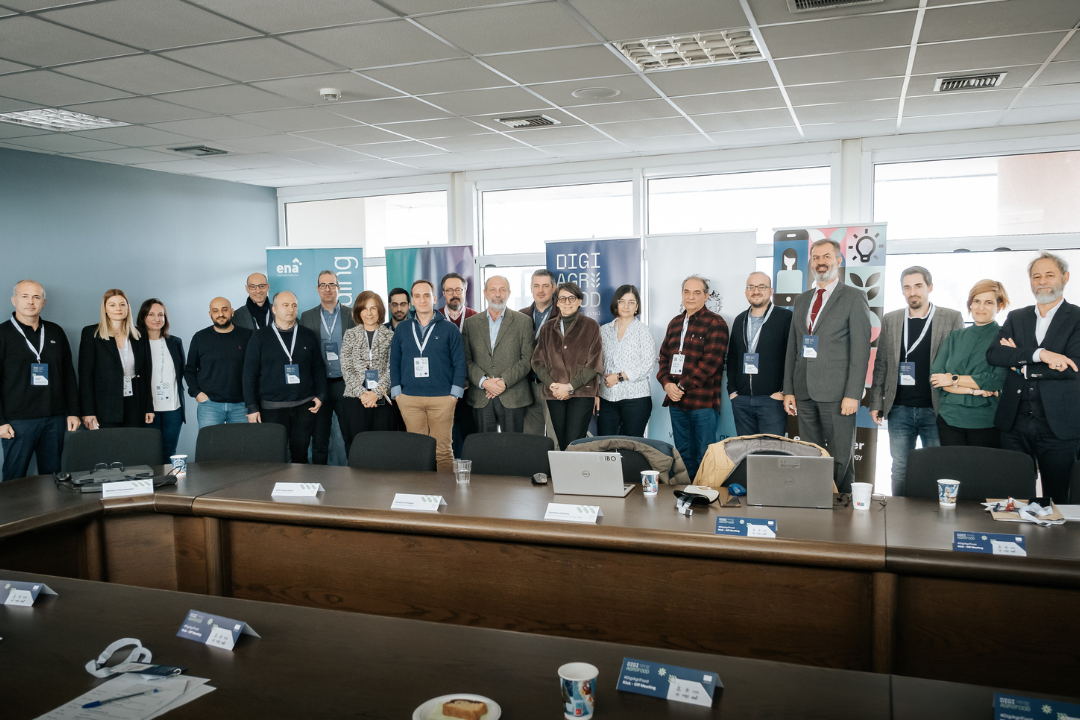
Representatives from the six hub partners spoke about the importance of digital transformation in agri-food, the technologies being used, the hub’s impressive activities, and their respective roles—highlighting their commitment, enthusiasm, and expectations for the sector’s development and future in Greece.
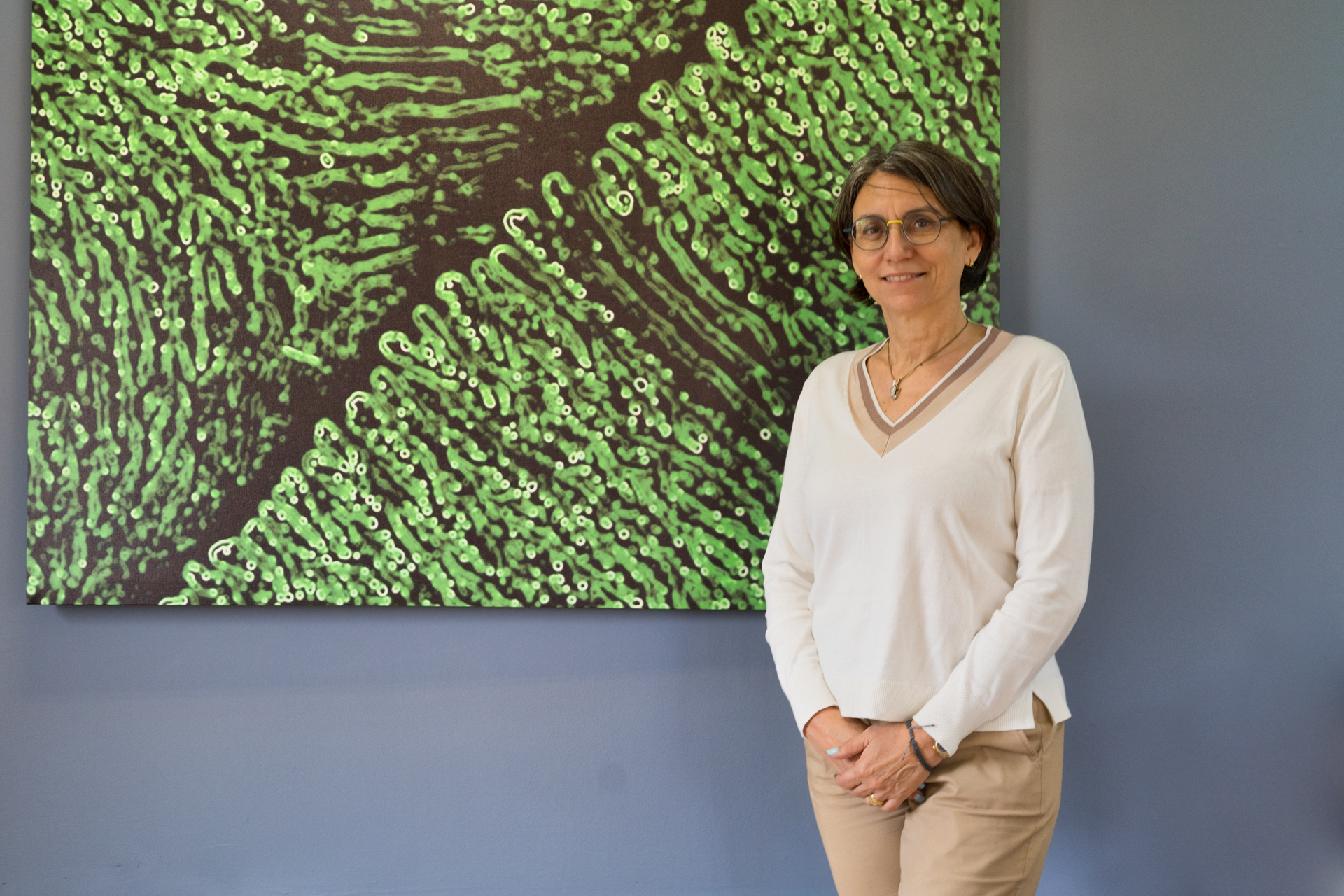
Maria Michalopoulou, University Administrator and Scientific Coordinator of #DigiAgriFood, spoke about the ongoing digital and green transition in the agri-food sector. She noted that the process in Greece progresses slowly—a predictable reality given the sector’s characteristics here. Despite trailing behind Europe, targeted efforts are essential to face challenges, particularly environmental crises and the need for new cultivation and management methods.
Maria Michalopoulou, University Administrator and Scientific Coordinator of #DigiAgriFood, spoke about the ongoing digital and green transition in the agri-food sector. She noted that the process in Greece progresses slowly—a predictable reality given the sector’s characteristics here. Despite trailing behind Europe, targeted efforts are essential to face challenges, particularly environmental crises and the need for new cultivation and management methods.
Ms. Michalopoulou emphasized that #DigiAgriFood acts as an accelerator—mobilizing significant academic resources toward green and digital transformation. Growing trust among local agricultural communities increases the hub’s regional impact and is expected to bring even more positive change in the coming years. With environmental crises and food safety at stake, this transformation is urgent, and Democritus University is taking an active role to instigate the necessary social change.
She highlighted the University's critical contribution to regional and national innovation ecosystems—through initiatives like Thinc Thrace incubator and the Innovation Hub—using EU funding. Michalopoulou underlined the need for greater national preparedness and synergy across funding sources to maximize benefits. Connecting research with real-world users is essential, albeit challenging, since real value arises from such collaborations. She gave examples of incubator programs and conferences that unite stakeholders to discuss problems and solutions. The University is actively working to strengthen marginalized communities and improve their quality of life and access to services.

Τέλος, αναφερόμενη στο #DigiAgriFood, η κα. Μιχαλοπούλου επισήμανε ότι το έργο αυτό έχει ανοίξει νέες προοπτικές για το πανεπιστήμιο, παρέχοντας υπηρεσίες στον αγροδιατροφικό τομέα και φέρνοντας μια νέα κουλτούρα μετασχηματισμού. Ο κόμβος με τους έξι εταίρους που τον αποτελούν και τις υπηρεσίες που παρέχει, φαίνεται να λειτουργεί επιτυχημένα σε πολλές περιφέρειες της Ελλάδας. Στόχος του είναι να επεκταθεί και να εξελίξει τις υπηρεσίες του, δίνοντας έμφαση στην κάλυψη των πραγματικών αναγκών των χρηστών και συμβάλλοντας έτσι στη βελτίωση της αγροδιατροφικής παραγωγής και της κοινωνικής συνοχής.
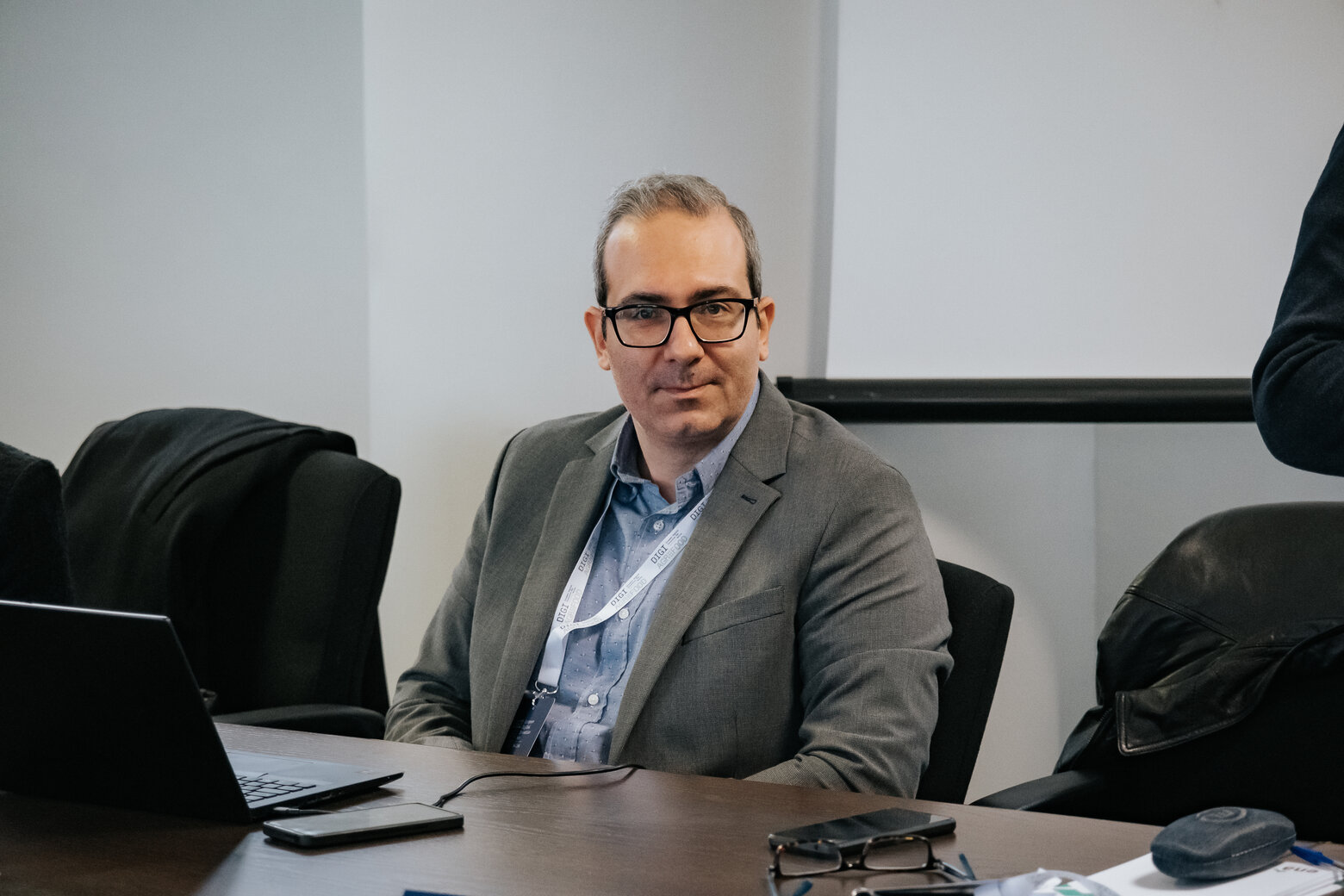
Ioannis Amarantidis, Project Manager of #DigiAgriFood, shared with us the Hub’s contribution to the digital transformation of the agri-food value chain and the impact he expects the Hub and its services to have on the domestic agri-food sector.
Ioannis Amarantidis, the project manager of #DigiAgriFood, notes that the hub provides a wide range of services and support to the primary sector and agri-food businesses, enhancing competitiveness, efficiency, and sustainability. Through free services, it promotes digitalization and the adoption of new technologies, investing in user empowerment and training, as well as in bridging the gap between research and production.
The services of the hub have the potential to bring about positive changes in the agri-food sector by optimizing crops, reducing costs, and increasing productivity. Additionally, they facilitate the adoption of systems and automation, the use of renewable energy sources, and the assurance of food quality and safety.
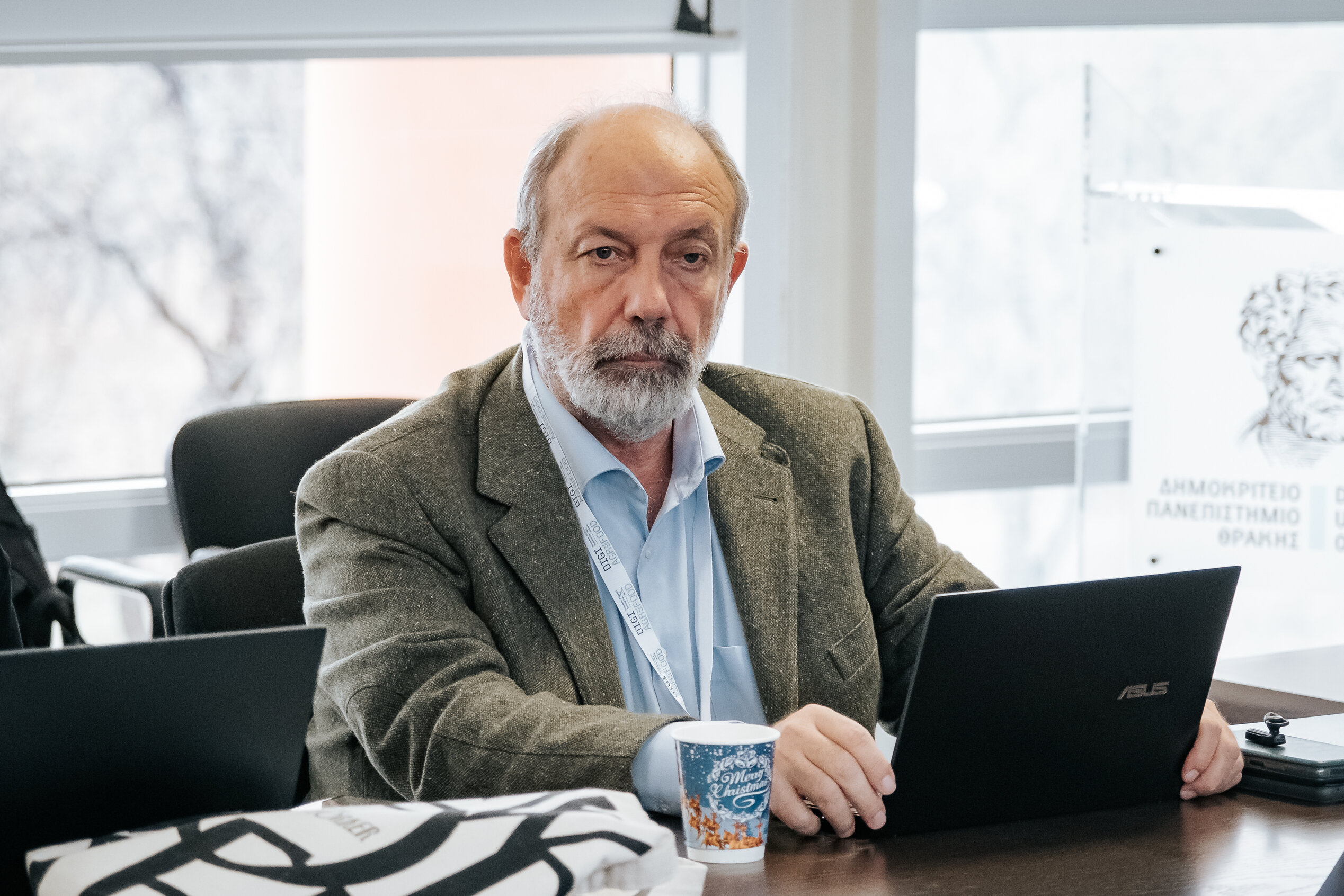
Zisis Mamouris, Project Coordinator of #DigiAgriFood for the University of Thessaly, states that the #DigiAgriFood hub can address the challenges of the agri-food sector through a holistic approach that involves collaboration among governments, local authorities, research institutions, businesses, and social groups.
Mr. Mamouris points out that the agri-food sector faces serious challenges such as climate change, excessive use of natural resources, pollution, and the reduction of arable land. The increasing global demand for food due to population growth, social and economic inequalities, limited access to technology, and legislative changes further complicate food production and safety, putting the sustainability of agriculture at risk.
Ο κόμβος #DigiAgriFood προσφέρει λύσεις ψηφιακής τεχνολογίας για τη μείωση του κόστους παραγωγής, την αύξηση της παραγωγικότητας, τη βελτίωση της εφοδιαστικής αλυσίδας και την ασφάλεια των τροφίμων. Λειτουργεί ως ένα σημείο διεπαφής όλων των ενδιαφερόμενων φορέων, διευκολύνοντας τη συνεργασία μεταξύ εταιρειών και ερευνητικής κοινότητας για την ανεύρεση λύσεων και την προώθηση αυτών στην κοινωνία.
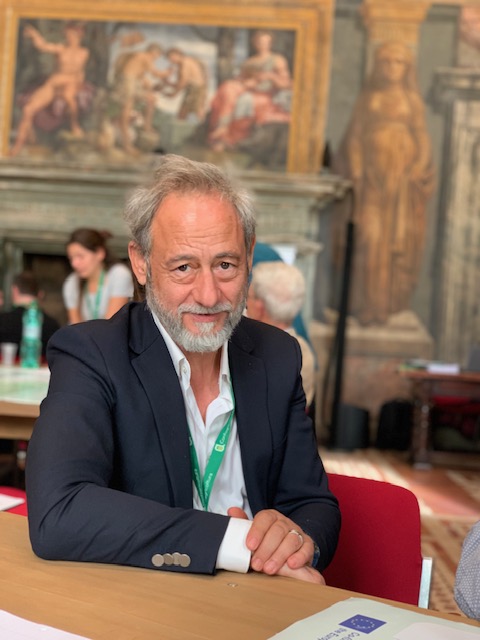
Dionysis Bochtis, Director of the Institute of Bio-Economy & Agri-Technology (IBO), emphasizes that digital technologies—such as IoT sensor networks, agri-robotics, big data analytics, and artificial intelligence (AI)—are expected to play a dominant role in the future of the agri-food sector by improving crop monitoring, automation, and productivity.
Dionysis Bochtis, Director of the Institute of Bio-Economy & Agri-Technology (IBO), emphasized the importance of digital transformation for enhancing the competitiveness of agri-food businesses, primarily through increased efficiency. The use of technologies such as the Internet of Things (IoT) and modern sensor systems, combined with the development of Farm Management Information Systems (FMIS) and Decision Support Systems, enables producers to make optimal decisions based on real-time, data-driven insights, thus improving sustainability. Digitization fosters collaboration and communication among stakeholders in the agri-food value chain, helping to address major challenges such as food safety and climate change.
Για το μέλλον, ο κ. Μπόχτης επισήμανε την κυριαρχία τεχνολογιών όπως τα δίκτυα αισθητήρων IoT, τα συστήματα τηλεπισκόπησης και η αγρο-ρομποτική που αυτοματοποιεί εργασίες και αντιμετωπίζει την έλλειψη εργατικού δυναμικού. Η ανάλυση μεγάλων δεδομένων (Big Data) και η Τεχνητή Νοημοσύνη (AI) θα είναι επίσης καθοριστικές, ενώ η επαυξημένη πραγματικότητα (AR) θα βελτιώσει την παραγωγικότητα και την ασφάλεια.
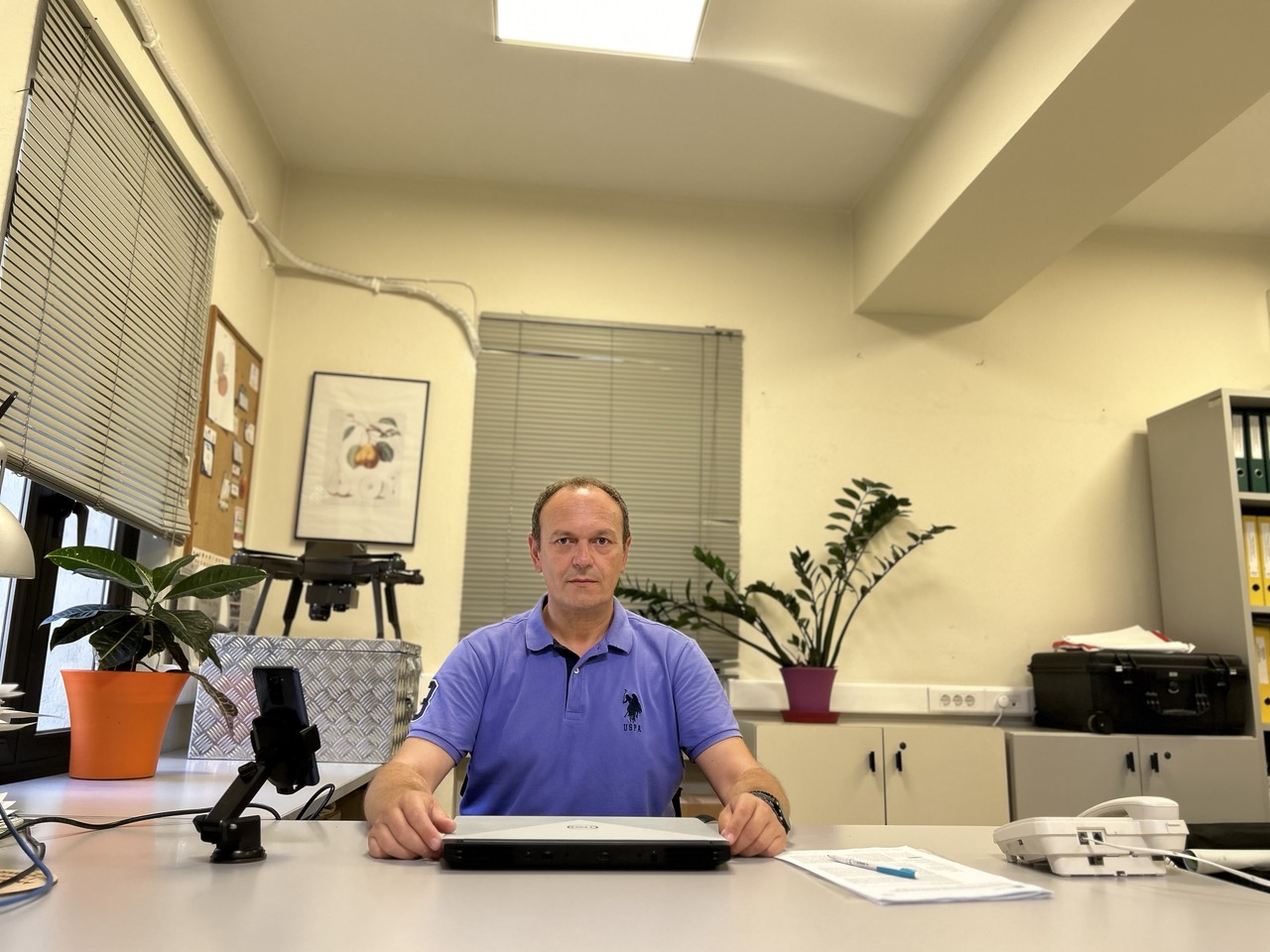
Ilias Kalfas, American Farm School: Within the framework of the #DigiAgriFood project, the American Farm School acts as an intermediary, understanding the potential of modern technological advancements while also being close to the producer—being a producer itself.
Ilias Kalfas, from the American Farm School, notes that the successful adoption of digital technologies in the primary sector depends on the clarity of the problems they solve, the user's familiarity with the digital environment, and the interaction between the producer’s immediate collaborators and the producer himself. These collaborators must have a good understanding of the producer’s activities in order to clearly, adequately, and reliably convey the benefits of adopting an intelligent farming system.
Η Αμερικανική Γεωργική Σχολή, ως διαμεσολαβητής καινοτομίας, γεφυρώνει την έρευνα με την πραγματική οικονομία και μεταφέρει τεχνολογία και τεχνογνωσία στους παραγωγούς, εφαρμόζοντας πολυάριθμα ερευνητικά και εφαρμοστικά έργα, υποστηρίζοντας ενεργά τον ψηφιακό μετασχηματισμό του αγροτικού τομέα.
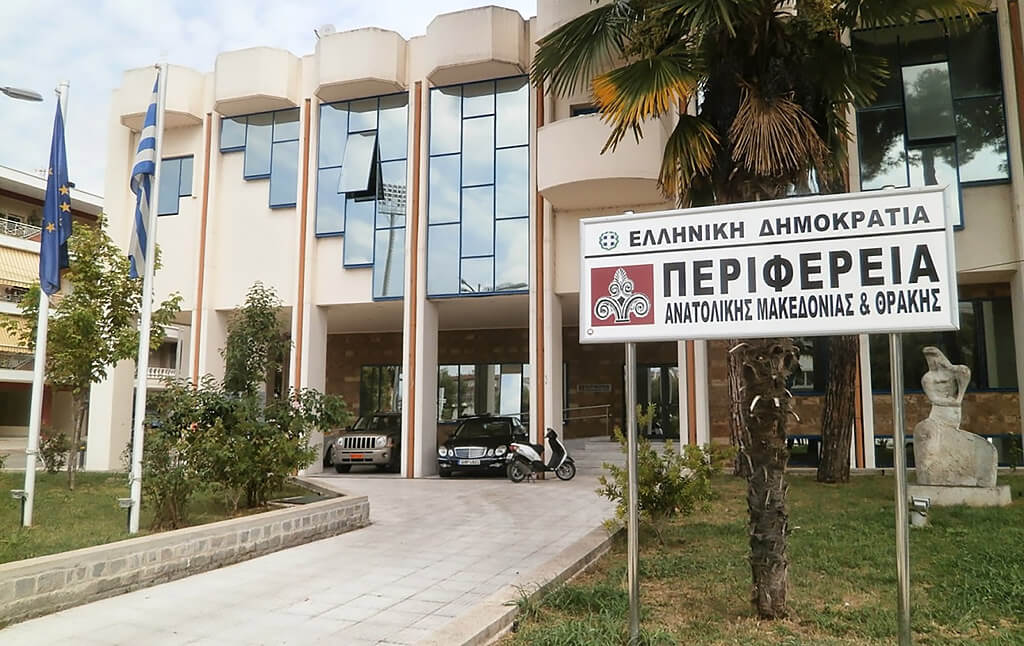
Christina Ainarozidou, #DigiAgriFood project team member, Region of Eastern Macedonia & Thrace: “Digital maturity and readiness aren’t the same across every link in the agri-food supply chain. Special emphasis must be placed on farmers and agricultural holdings, where transitions happen more slowly and with greater difficulty.
Ms. Ainarozidou explains the Region’s role: connecting all intermediary organizations and end‑users to the Hub’s services. Through communication and connectivity between all agri‑food structures and digital innovation, the Region promotes the integration of rural producers into the modern entrepreneurial ecosystem.
Η ψηφιακή μετάβαση του αγροδιατροφικού τομέα είναι αναγκαία, αλλά ο βαθμός ετοιμότητας διαφέρει σε κάθε κρίκο της αλυσίδας. Οι βιομηχανίες τροφίμων είναι ψηφιακά ωριμότερες σε σχέση με τις γεωργικές εκμεταλλεύσεις και τους αγρότες. Είναι σημαντικό να δοθεί έμφαση στους τομείς και κρίκους που υστερούν, παρέχοντας τους πληροφόρηση και βοήθεια για την ένταξή τους στον ψηφιακό μετασχηματισμό. Η ΠΑΜΘ, με τον ιδιαίτερο χαρακτήρα και τη συνδεσιμότητα που προσφέρει, υποστηρίζει αυτή τη μετάβαση, βοηθώντας στην ομαλή ένταξή τους στη νέα εποχή ψηφιακής καινοτομίας.
Dimitris Bardakidis, Quality & Risk Manager of #DigiAgriFood and Co‑founder & Agrifood Expert at ena Development Consultants, shared how the company, acting as Innovation & Communication Mediator for the Hub, links the needs of the real economy and businesses with the innovation generated by research initiatives like the Hub. He also described current characteristics and modern challenges faced by agri‑food businesses.
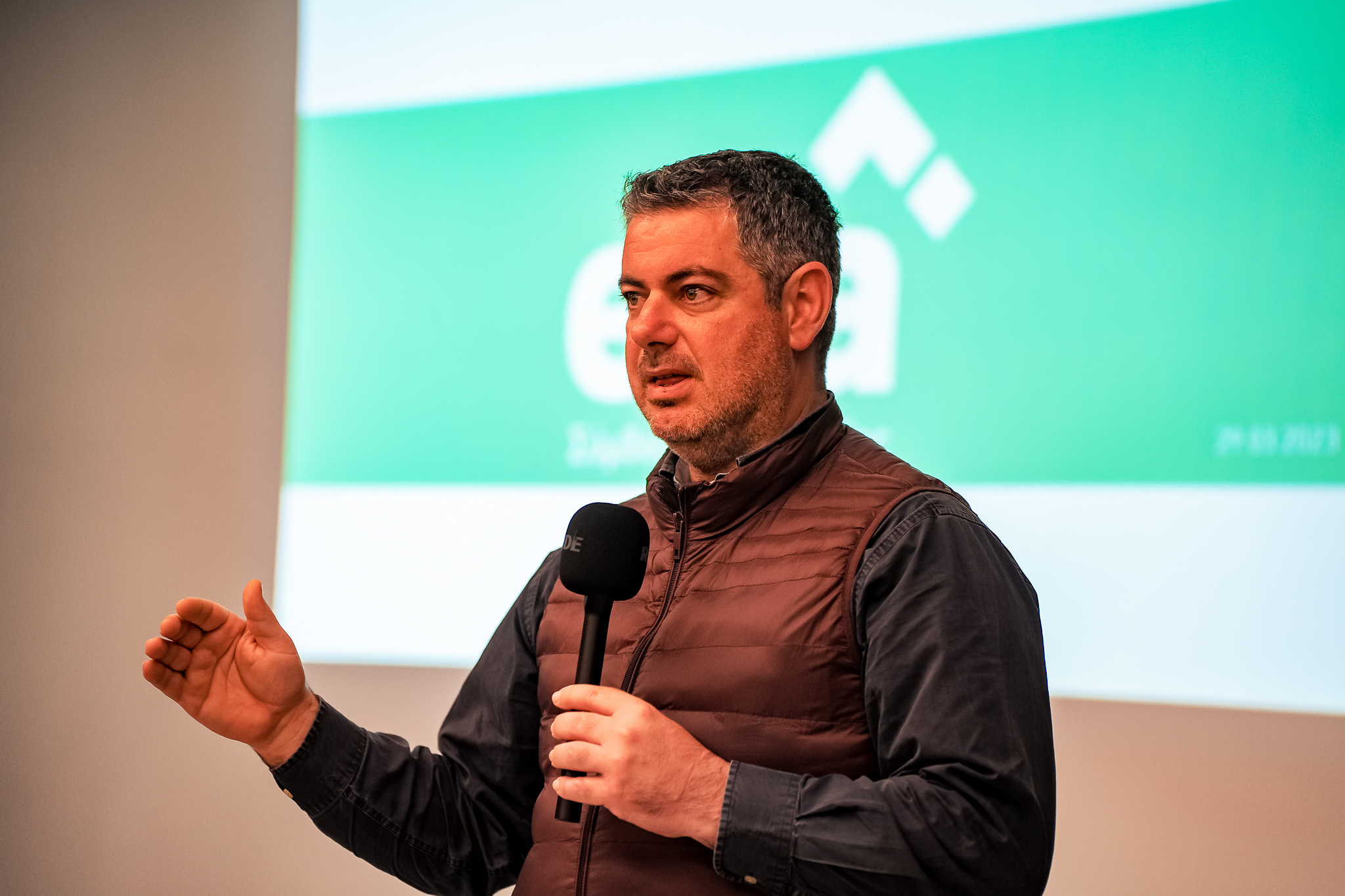
Δημήτρης Μπαρδακίδης, Quality & Risk Manager του #DigiAgriFood: Οι διαρθρωτικές αδυναμίες του πρωτογενούς τομέα στην Ελλάδα, σε συνδυασμό με την κλιματική αλλαγή, το αυξανόμενο κόστος των εισροών και τις αλλαγές στην Κοινή Αγροτική Πολιτική, δημιουργούν ένα ασφυκτικό πλαίσιο για τη βιωσιμότητα των γεωργικών και κτηνοτροφικών εκμεταλλεύσεων.
The primary sector employs 10 % of the country’s workforce, 64 % of whom are over 45 years old, and contributed 3.5 % to GDP in 2020. The average cultivated area per holding is 54 stremmas (~5.4 ha). Labor productivity lags behind the EU average by 21.4 %, and less than 6 % of farm managers have formal agricultural education.
Οι διαρθρωτικές αδυναμίες του τομέα στην Ελλάδα, σε συνδυασμό με την κλιματική αλλαγή, την αύξηση του κόστους των εισροών και τις αλλαγές στην Κοινή Αγροτική Πολιτική (ΚΑΠ) της ΕΕ, δημιουργούν ένα ασφυκτικό πλαίσιο για τη βιωσιμότητα των γεωργικών και κτηνοτροφικών εκμεταλλεύσεων.
The greatest challenge is adapting promptly to a rapidly changing environment. A lack of long‑term agricultural development strategy delayed adaptation to the new CAP, leaving farmers struggling with unfamiliar production systems.
To remain viable, agri‑businesses must invest in knowledge, innovation, and new technologies; maintain consistent quality and safety standards; vertically integrate production processes; and adopt techniques that reduce inputs and protect the environment.
Though these issues may seem daunting, there is hope. Institutions like the European Digital Innovation Hub #DigiAgriFood or agricultural advisory providers stand by farmers, offering a wide range of free services to help them successfully face future challenges.
This highlights that the digital transition in the agri‑food sector is not just necessary, but also a real opportunity to modernize and develop Greek agriculture. Through initiatives like the European Digital Innovation Hub #DigiAgriFood, farmers and agribusinesses can adopt innovative technologies to boost efficiency, sustainability, and competitiveness. The Hub’s support, in collaboration with Democritus University of Thrace and partner organizations, empowers producers to implement practices that address contemporary challenges and move confidently toward the future.
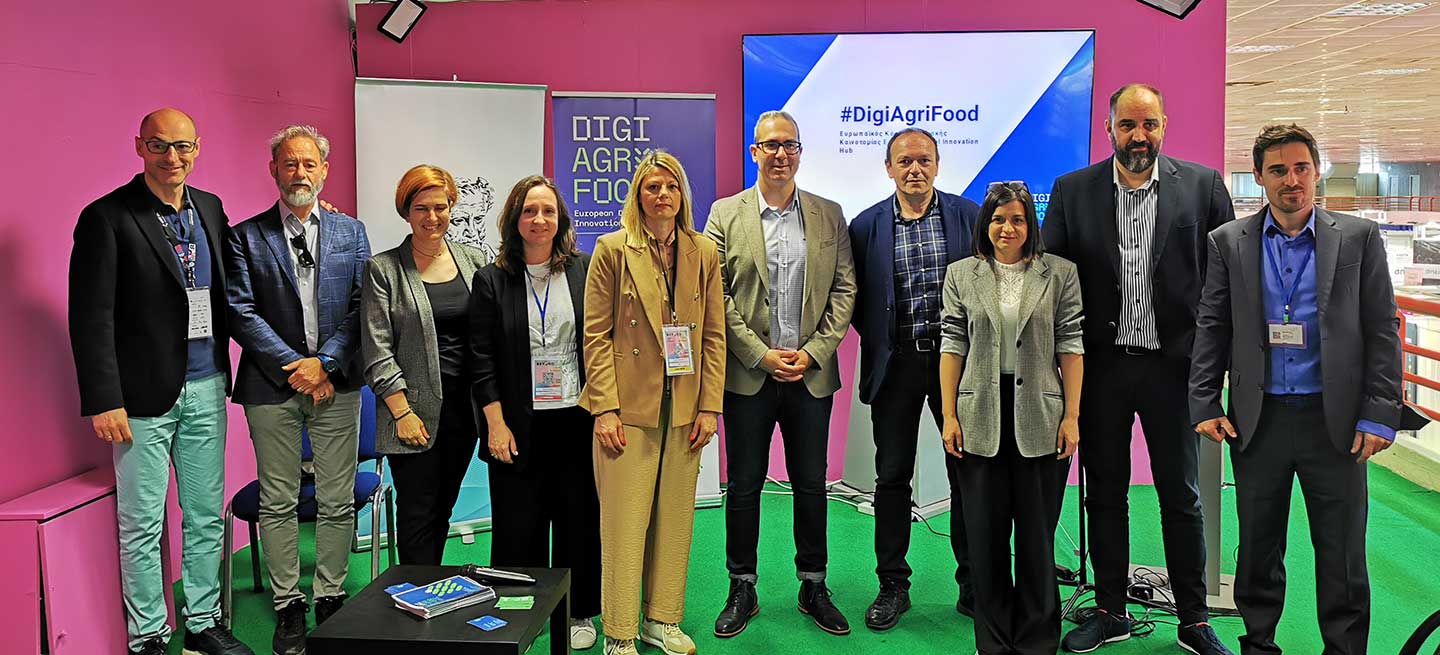
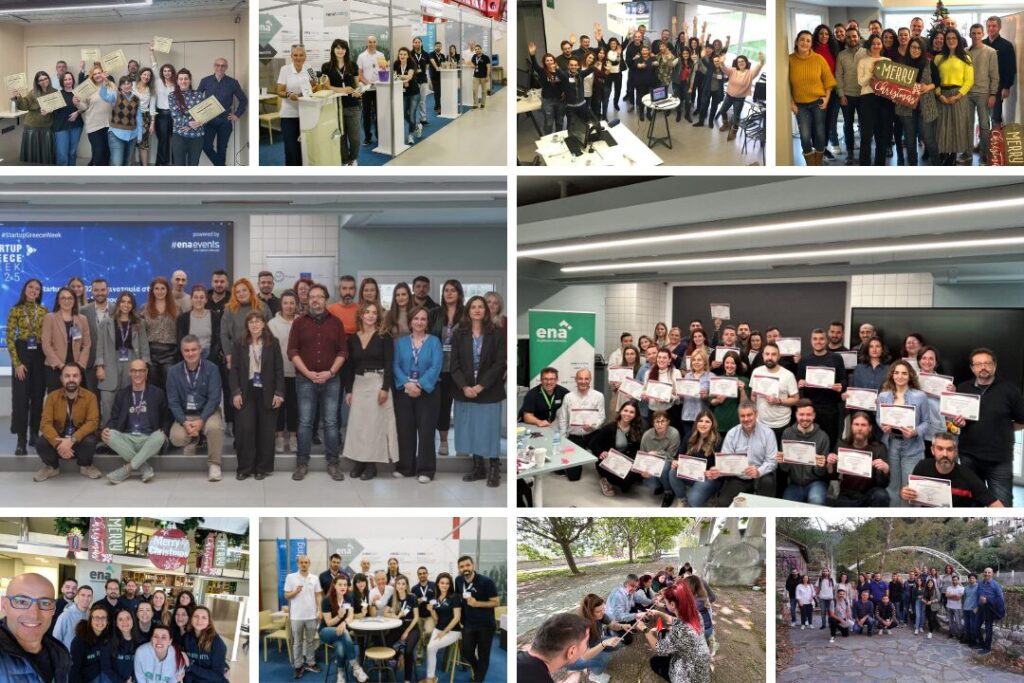
Through continuous support from its partners and active community involvement, the #DigiAgriFood Hub has successfully organized a series of awareness events and training programs to promote digital innovation in the agri‑food sector.
Η δέσμευση και ο ενθουσιασμός όλων των εμπλεκομένων, καθώς και η έμφαση στην ψηφιακή και πράσινη καινοτομία, θέτουν τα θεμέλια για μια νέα εποχή ανάπτυξης και προόδου στον αγροδιατροφικό τομέα της Ελλάδας.
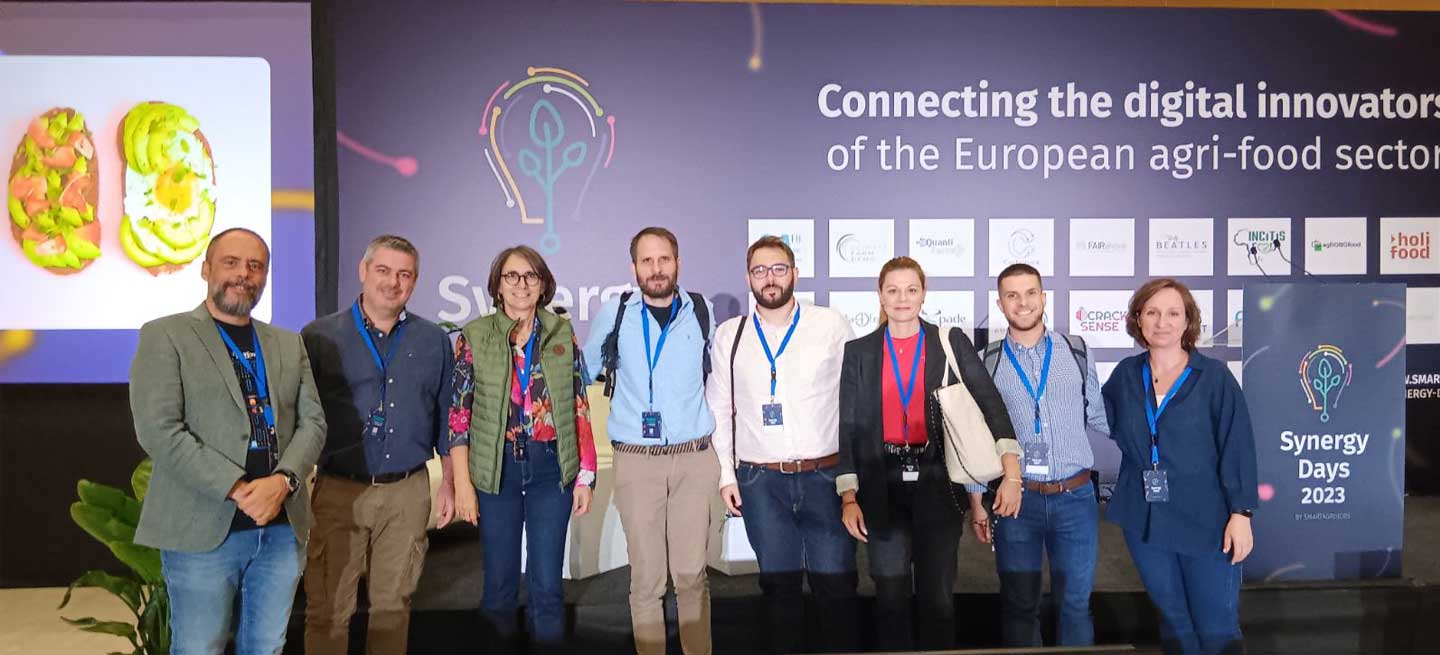
Thank you to all #DigiAgriFood representatives for their invaluable insights and inspiration. With sustained support and cooperation, the future of Greek agri‑food looks bright and full of promise.