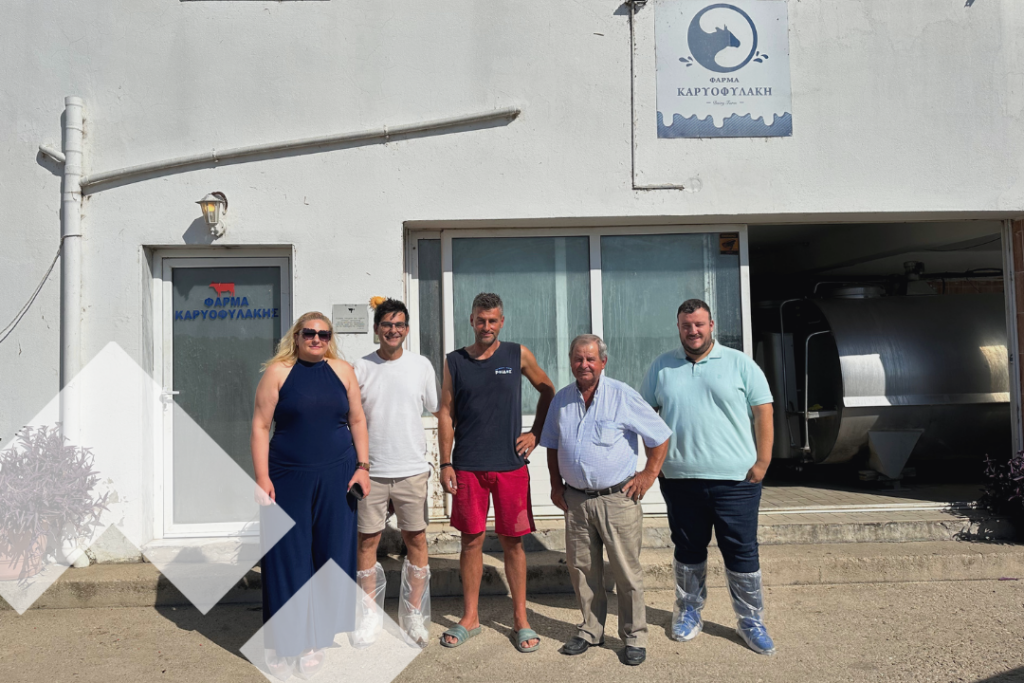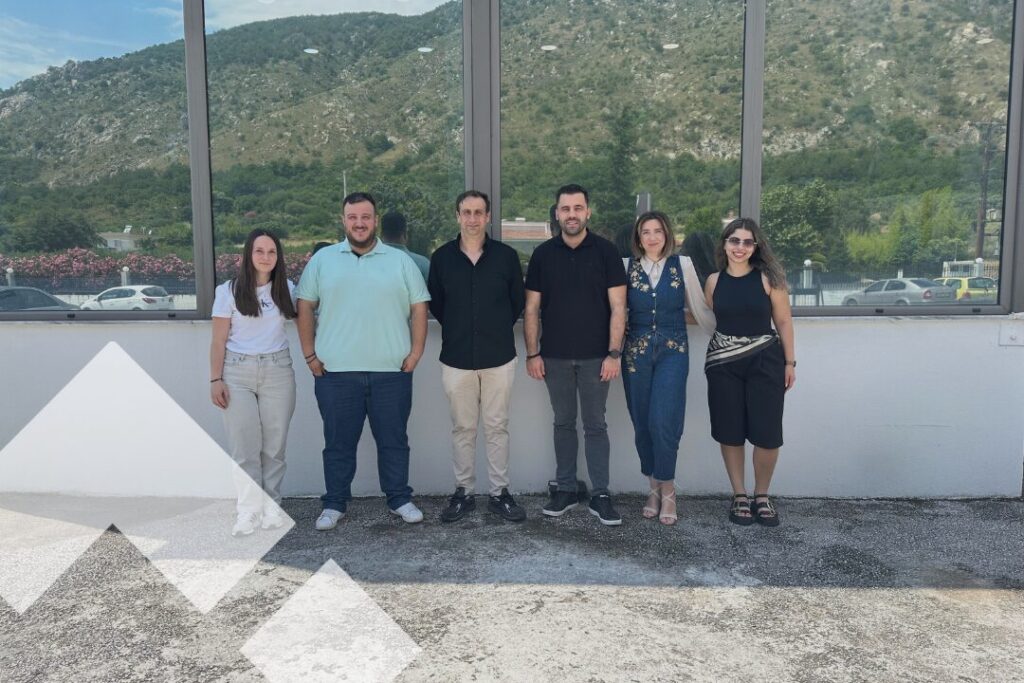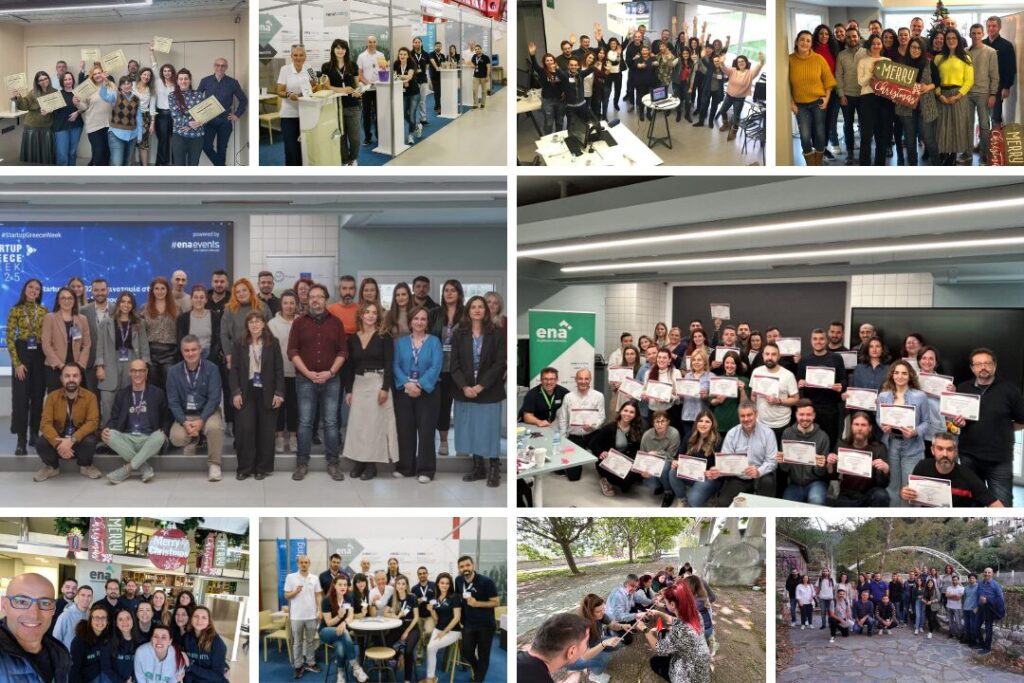

The Marketing team of ena Development Consultants — Christos Pitiakoudis, Sofia Argyriadou, and Maria Karyofilaki — in the context of creating #32 Business Story, interviewed representatives from the 6 partners of #DigiAgriFood, the first European Digital Innovation Hub in the Agri-Food sector in Greece.
Οι εταίροι του κόμβου απάντησαν σε μια σειρά ερωτημάτων, σχετικά με: τη σημασία του ψηφιακού μετασχηματισμού στην αγροδιατροφή, τις τεχνολογίες που αξιοποιούνται, τη σπουδαία δράση του κόμβου και τους ρόλους τους στο έργο, αναδεικνύοντας την δέσμευση και τον ενθουσιασμό τους για το εγχείρημα, αλλά και τις προσδοκίες τους για την ανάπτυξη και το μέλλον του αγροδιατροφικού τομέα στην Ελλάδα.
The #DigiAgriFood hub aims to strengthen the digital and green transformation across the entire agri-food value chain, delivering direct benefits to citizens, SMEs, and the public sector. It specializes in technologies such as Artificial Intelligence, Advanced Digital Skills, High-Performance Computing, Digital Transformation, and Interoperability, directly contributing to the missions and goals of the “Digital Europe Programme 2021–2027.”
The role of ena Development Consultants, as Partner, Innovation & Communication Mediator of #DigiAgriFood, is to connect the needs of the real economy and businesses with the innovation generated by the research institutions involved in the hub, while also developing comprehensive communication strategies for the hub’s goals, activities, and achievements.
Το εταιρικό σχήμα του #DigiAgriFood, με επικεφαλής εταίρο το Δημοκρίτειο Πανεπιστήμιο Θράκης, συμπληρώνουν το Πανεπιστήμιο Θεσσαλίας, το Ινστιτούτο Βιο-Οικονομίας και Αγρο-Τεχνολογίας (iBO) του Εθνικού Κέντρου Έρευνας και Τεχνολογικής Ανάπτυξης (ΕΚΕΤΑ), το Perrotis College της Αμερικανικής Γεωργικής Σχολής και η Περιφέρεια Ανατολικής Μακεδονίας & Θράκης.
Dimitris Bardakidis, Quality & Risk Manager of #DigiAgriFood and co-founder & Agrifood expert at ena Development Consultants, shared with us the characteristics of agrifood sector businesses today and the modern challenges they face.
Ας δούμε τι μας είπε:
Δημήτρης Μπαρδακίδης, Quality & Risk Manager του #DigiAgriFood: Οι διαρθρωτικές αδυναμίες του πρωτογενούς τομέα στην Ελλάδα, σε συνδυασμό με την κλιματική αλλαγή, το αυξανόμενο κόστος των εισροών και τις αλλαγές στην Κοινή Αγροτική Πολιτική, δημιουργούν ένα ασφυκτικό πλαίσιο για τη βιωσιμότητα των γεωργικών και κτηνοτροφικών εκμεταλλεύσεων.
Είναι σημαντικό αρχικά να κατανοήσουμε την υφιστάμενη κατάσταση του αγροτικού τομέα στην Ελλάδα για να μπορέσουμε τεκμηριωμένα να μιλήσουμε για τις σύγχρονες προκλήσεις. Ο πρωτογενής τομέας στη χώρα μας απασχολεί περίπου το 10% της συνολικής απασχόλησης της χώρας εκ των οποίων ποσοστό 64% είναι ηλικίας άνω των 45 ετών, ενώ για το έτος 2020 συνεισέφερε το 3,5% του ΑΕΠ της Χώρας. Σύμφωνα με τη Eurostat, η μέση καλλιεργούμενη έκταση ανά εκμετάλλευση ανέρχεται σε περίπου 54 στρέμματα, η αποδοτικότητα της αγροτικής εργασίας στη χώρα μας υπολείπεται του ευρωπαϊκού μέσου όρου κατά 21,4%, ενώ ποσοστό λιγότερο του 6% των αρχηγών αγροτικών εκμεταλλεύσεων, διαθέτουν κάποιο βασικό υπόβαθρο γεωργικής εκπαίδευσης.
Όλα τα παραπάνω αποτυπώνουν με σαφήνεια τις βασικές διαρθρωτικές αδυναμίες του αγροτικού τομέα της χώρας μας, οι οποίες όταν συνδυαστούν με τις επιπτώσεις της κλιματικής αλλαγής (ανομβρία, φυσικές καταστροφές, αύξηση μ.ο. θερμοκρασίας, ερημοποίηση εδαφών, μείωση αποδόσεων κ.α.), την ραγδαία αύξηση του κόστους των εισροών και τις συνεπακόλουθες αλλαγές που συντελούνται σε επίπεδο Κοινής Αγροτικής Πολιτικής της ΕΕ, δημιουργούν ένα ασφυκτικό πλαίσιο στο οποίο καλούνται να διατηρήσουν τη βιωσιμότητά τους οι γεωργικές και κτηνοτροφικές εκμεταλλεύσεις της χώρας.
Διαφαίνεται λοιπόν ότι η μεγαλύτερη πρόκληση όχι μόνο σήμερα, αλλά διαχρονικά για κάθε επιχείρηση που δραστηριοποιείται στον πρωτογενή τομέα είναι η έγκαιρη προσαρμογή της στο ραγδαία μεταβαλλόμενο περιβάλλον. Δυστυχώς στη χώρα μας χάθηκε περίπου μια δεκαετία όπου λόγω έλλειψης μακροπρόθεσμης στρατηγικής αγροτικής ανάπτυξης του σχετικού Υπουργείου, δεν συντελέστηκε εγκαίρως η προσαρμογή του αγροτικού κόσμου στα νέα δεδομένα της ΚΑΠ. Φτάσαμε λοιπόν στο σήμερα, όπου για την περίοδο 2023-2027 η ΚΑΠ επιβάλλει στους αγρότες να εφαρμόσουν παραγωγικά συστήματα με τα οποία δεν είναι εξοικειωμένοι.
Συνοψίζοντας, θα τόνιζα πως όπως συμβαίνει με κάθε αυτόνομη οικονομική οντότητα, κάθε αγροτική επιχείρηση καλείται να λάβει τις επιχειρηματικές/στρατηγικές της αποφάσεις οι οποίες θα καθορίσουν τη διατήρηση ή μη της βιωσιμότητάς της. Δομικά στοιχεία για την επιτυχία είναι η υιοθέτηση μιας κουλτούρας επένδυσης αρχικά στη γνώση, την καινοτομία και τις νέες τεχνολογίες. Ουσιαστική επίσης είναι η επιμονή στην ασφάλεια και ποιότητα των παραγόμενων προϊόντων καθώς και η (έστω και περιορισμένης έκτασης) καθετοποίηση της παραγωγικής διαδικασίας. Τέλος, η υιοθέτηση τεχνικών μείωσης των εισροών και η προστασία του περιβάλλοντος αποτελούν εκ των ων ουκ άνευ.
Αν όλα τα παραπάνω φαντάζουν δύσκολα για τον αγρότη, τότε είναι η κατάλληλη στιγμή να αξιοποιήσει δωρεάν δομές όπως είναι ο Ευρωπαϊκός Κόμβος Ψηφιακής Καινοτομίας #DigiAgriFood, ή/και οι Φορείς παροχής γεωργικών συμβουλών.
Read the full #32 Business Story of #DigiAgriFood here.
H πρόταση για τη συμμετοχή στο πρόγραμμα European Digital Innovation Hubs (EDIHs), με ακρωνύμιο #DigiAgriFood και επικεφαλής εταίρο το Δημοκρίτειο Πανεπιστήμιο Θράκης στην οποία συμμετέχει η εταιρεία ena Σύμβουλοι Ανάπτυξης, επιλέχθηκε από την Ευρωπαϊκή Επιτροπή στο πλαίσιο του προγράμματος «Ψηφιακή Ευρώπη 2021-2027». Το #DigiAgriFood μαζί με 135 ακόμη υποψήφιους κόμβους σε όλη την Ευρώπη, θα αποτελέσουν τα οικοσυστήματα καινοτομίας, τα οποία θα παράγουν προστιθέμενη αξία για όλους τους πολίτες σε τομείς όπως η υγεία, η αγροτική ανάπτυξη και η ψηφιακή διακυβέρνηση.
Μέσω του προγράμματος «Ψηφιακή Ευρώπη 2021-2027», η Ευρωπαϊκή Επιτροπή, υποστηρίζει την ανάπτυξη του παραπάνω δικτύου οικοσυστημάτων, με σκοπό την ενίσχυση των δυνατοτήτων της Ευρωπαϊκής Ένωσης στους τομείς της υπολογιστικής υψηλών επιδόσεων (HPC), της τεχνητής νοημοσύνης (AI), της Κυβερνοασφάλειας (Cyber Security), της ανάπτυξης προηγμένων ψηφιακών δεξιοτήτων (Digital Skills) και του ψηφιακού μετασχηματισμού της Δημόσιας Διοίκησης και της διαλειτουργικότητας.